Turning cattle out to pasture represents a major physiological transition. Although it is often perceived as a “natural” phase of livestock production systems, it actually exposes animals to significant metabolic imbalances linked to the sudden change in their nutritional environment.
These imbalances are particularly critical because they are often subclinical and therefore difficult to detect without appropriate analytical tools.
A Sudden Metabolic Shift
The transition from a winter ration to young pasture grass results in rapid changes in:
- energy intake,
- the nature of absorbed nutrients,
- mineral and electrolyte balance.
This transition requires the animal’s metabolism to adapt quickly, particularly at the level of:
- the rumen,
- the liver,
- hormonal regulation.
When this adaptation is incomplete or unbalanced, metabolic disturbances may develop, sometimes without immediate clinical signs.
Subacute Acidosis: An Often Invisible Imbalance
The increase in fermentable substrates can disrupt the animal’s acid-base balance. Even in the absence of marked digestive symptoms, subacute acidosis may develop.
Its consequences are numerous:
- reduced feed intake,
- decreased milk production,
- reproductive disorders,
- overall weakening of the animal.
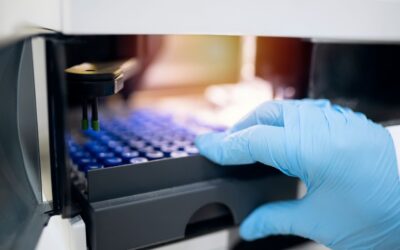
👉 IODOLAB approach: objectively assessing the imbalance
- Evaluation of acid-base balance.
- Electrolyte profiling.
- Indirect metabolic markers.
Excess Nitrogen and Metabolic Overload
Young pasture grass often provides an excess of rapidly available nitrogen. When this nitrogen exceeds the animal’s capacity to utilize it, it may result in:
- hepatic overload,
- increased nitrogen metabolites,
- a negative impact on reproduction.
👉 IODOLAB approach:
- Monitoring metabolic parameters.
- Assessment of liver function.
- Comprehensive evaluation of nutritional status.
Mineral Imbalances: A Key Risk Factor
Turning animals out to pasture significantly alters mineral balance, particularly:
- magnesium,
- calcium,
- potassium,
- sodium.
These changes can disrupt:
- nerve conduction,
- muscle contraction,
- enzymatic balance.
In the most severe cases, they can lead to major metabolic disorders such as grass tetany.
👉 IODOLAB approach: managing mineral status
- Measurement of major minerals.
- Trace element analysis.
- Identification of mineral interactions.
Oxidative Stress and Immunity: Often Underestimated Impacts
The transition to grazing is also associated with overall physiological stress:
- digestive adaptation,
- changes in nutrient intake,
- environmental changes.
This situation may promote:
- increased oxidative stress,
- impaired immune defenses,
- greater susceptibility to disease.
👉 IODOLAB approach:
- Assessment of oxidative status.
- Measurement of trace elements involved in immune function.
- Identification of subclinical conditions.
A Critical Period for Reproduction
Metabolic imbalances associated with turnout to pasture can have direct consequences on reproduction:
- delayed return to cyclicity,
- lower artificial insemination success rates,
- early embryonic loss.
👉 IODOLAB approach:
- Comprehensive metabolic assessment.
- Mineral and micronutrient status evaluation.
- Integrated interpretation of limiting factors.
Anticipate Rather Than React: The Value of an Analytical Approach
Turnout to pasture should not be managed solely as a dietary change, but as a metabolic transition that requires monitoring and control.
The objective is to:
- detect imbalances at an early stage,
- identify their underlying causes,
- adjust management practices before economic losses occur.
Conclusion
Turnout to pasture is a high-risk period during which invisible imbalances can have a lasting impact on herd health and performance.
By relying on an analytical approach focused on the animal, it becomes possible to secure this transition, optimize performance, and prevent disorders before clinical signs appear.